
Healthcare paid campaigns are built compliant with ASCI disclosure rules and platform ad policies from the first draft, avoiding the flagging and rejection delays that hit agencies who learn the rules after an account gets paused. Reported against cost per appointment booking.
What's included?
- Google Search campaigns for high-intent, non-claim treatment queries
- Compliant ad copy review before launch, not after a platform rejection
- Landing pages built to match ad claims exactly, avoiding disclosure mismatches
Why healthcare ad accounts get paused
Google and Meta both run extra review layers for healthcare advertisers, and some treatments sit in restricted categories whatever your copy says. Most of the paused accounts we see were not doing anything dishonest. They used a before-and-after claim, a phrase like "guaranteed results", or a landing page that promised more than the ad. The fix is to build compliance into the brief, not bolt it on after a rejection.
Tracking without leaking patient data
This is the part many agencies still get wrong. In 2022 Advocate Aurora Health disclosed that tracking pixels from Google and Meta on its patient portal and scheduling tools may have exposed data on up to 3 million patients (Fierce Healthcare, Oct 2022). The US Department of Health and Human Services has since published guidance on what online tracking is and is not acceptable for regulated providers (US HHS guidance on online tracking).
We set up conversion tracking that records a booking without sending health information to ad platforms: server-side events, stripped URLs on booking pages and no pixels inside patient portals. In India, the Digital Personal Data Protection Rules notified in November 2025 add consent and security duties that phase in over 18 months (India Briefing on DPDP Rules 2025), so the same discipline pays off there too.
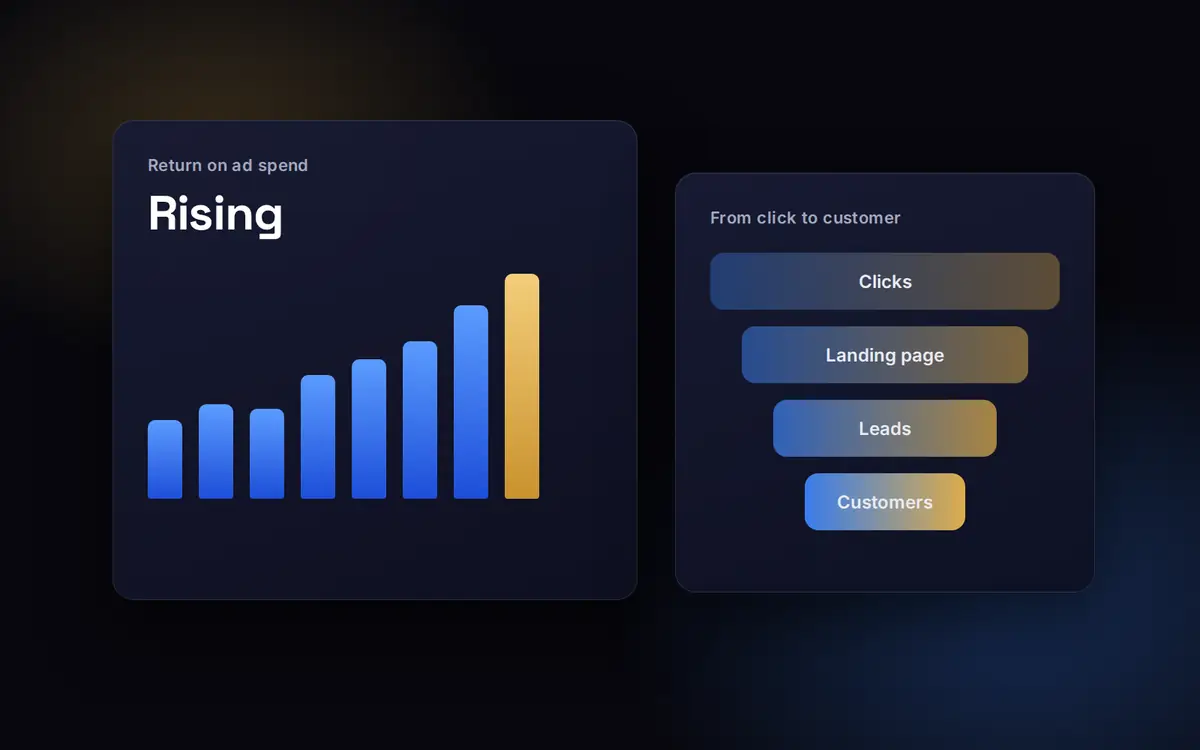
Clicks are cheap in some specialties and wildly expensive in others. We report cost per booked appointment and show-up rate, because a cheap lead that never attends is not cheap.
What we run
- Google Search for high-intent treatment and "near me" searches, with clear location extensions
- Meta and YouTube for awareness and education in categories where it is allowed
- Landing pages per treatment that match the ad claim word for word
- Call tracking and booking-form tracking set up without passing clinical data
- Monthly reporting on cost per appointment, attendance and revenue by treatment
Pair this with healthcare SEO so paid spend can drop as organic bookings build.