
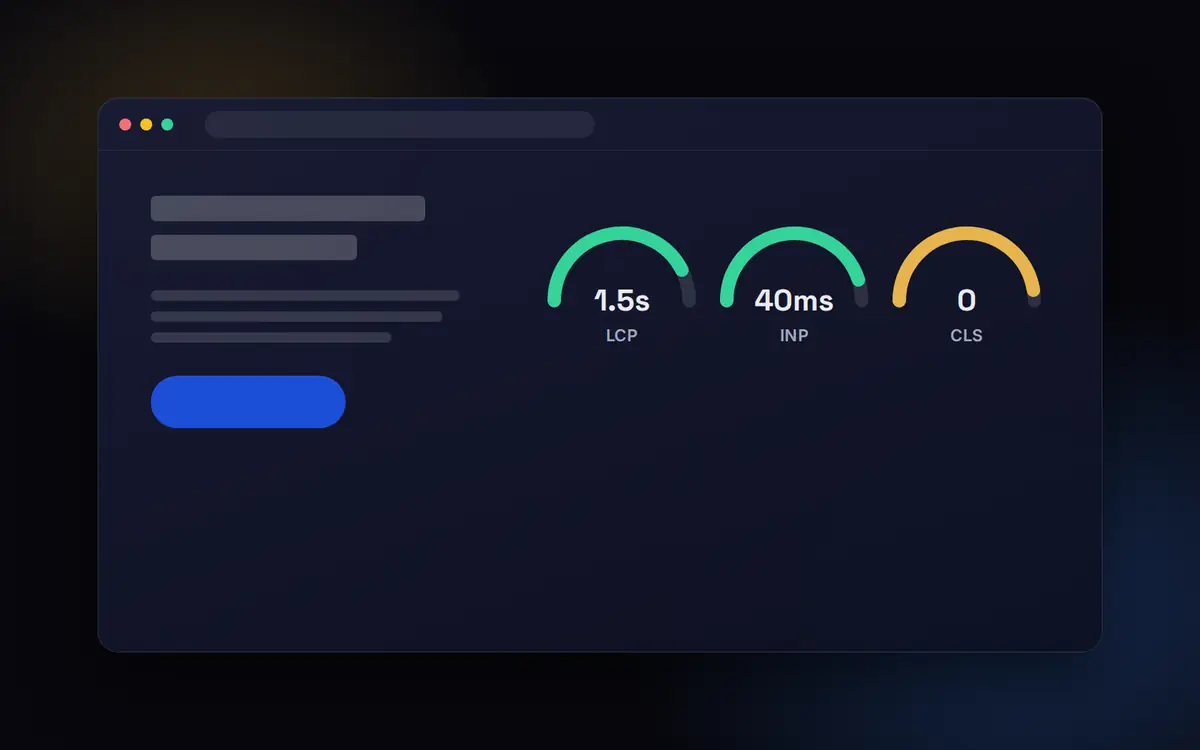
Web development at SerpHike ships as fully static HTML by default, so every word of body copy is present in the first server response, no JS-rendering layer for crawlers to skip. Typical builds run 4-10 weeks and include Core Web Vitals, schema markup and mobile responsiveness from day one.
How SerpHike builds websites properly
What's included in a build?
- Static-first architecture, no client-side rendering gap for search or AI crawlers
- Core Web Vitals tuning (LCP, CLS) and mobile responsiveness at 375/768/1280/1920
- Schema markup (Organisation, Service, FAQPage) baked in from launch
- Analytics and lead-form wiring connected to the CRM on day one
Evidence: builds behind real client results
The technical foundation decides what marketing can achieve
A slow, JavaScript-heavy site can undo good SEO, good ads and good design. Search engines and AI crawlers may not see content that only appears after scripts run. Visitors leave pages that take too long. We build sites that render content in the HTML, load quickly and are easy for your team to update.
What we build with
- Static or server-rendered pages, using frameworks like Next.js, Astro or a well-built WordPress, depending on your needs
- A headless or traditional CMS your editors are comfortable with
- Structured data for organisation, services, products, articles and FAQs (Google: structured data intro)
- Core Web Vitals targets set before build and tested on real devices (web.dev: Web Vitals)
- Analytics, consent and tag management set up properly from day one
Why speed is worth the effort
- The Economic Times cut Largest Contentful Paint from 4.5 to 2.5 seconds and reduced bounce rate by 43% (web.dev, The Economic Times case study)
- Vodafone improved LCP by 31% and saw 8% more sales (web.dev, Vodafone case study)
- Pinterest cut perceived wait time by 40% and saw SEO traffic and sign-ups each rise 15% (Pinterest Engineering)
- A 0.1 second mobile improvement lifted retail conversion by 8.4% in the Deloitte and Google study (Deloitte and Google, Milliseconds Make Millions)
Server-rendered course pages fixed the indexing gap behind PrepLadder's growth.
Migrations without losing rankings
Rebuilds are where many sites lose search traffic. We map every old URL to a new one, keep redirects in place, move structured data across and monitor indexing closely after launch. See static versus dynamic sites for SEO and why speed costs customers.