
Why Comparison Pages Are a SaaS SEO Goldmine
"X vs Y" comparison pages intercept SaaS buyers at the exact moment they're deciding, the highest-intent search stage in the funnel. They also extract cleanly into search snippets and AI answers when built as tables, one factual comparison per named competitor a prospect is likely to check.
What makes a comparison page work
- Accurate, fairly represented claims about the competitor, not exaggerated or dismissive
- A comparison table, which extracts more cleanly than prose for both SERP snippets and AI answers
- One page per named competitor, not a single page trying to cover the whole category
The highest-intent searches in SaaS
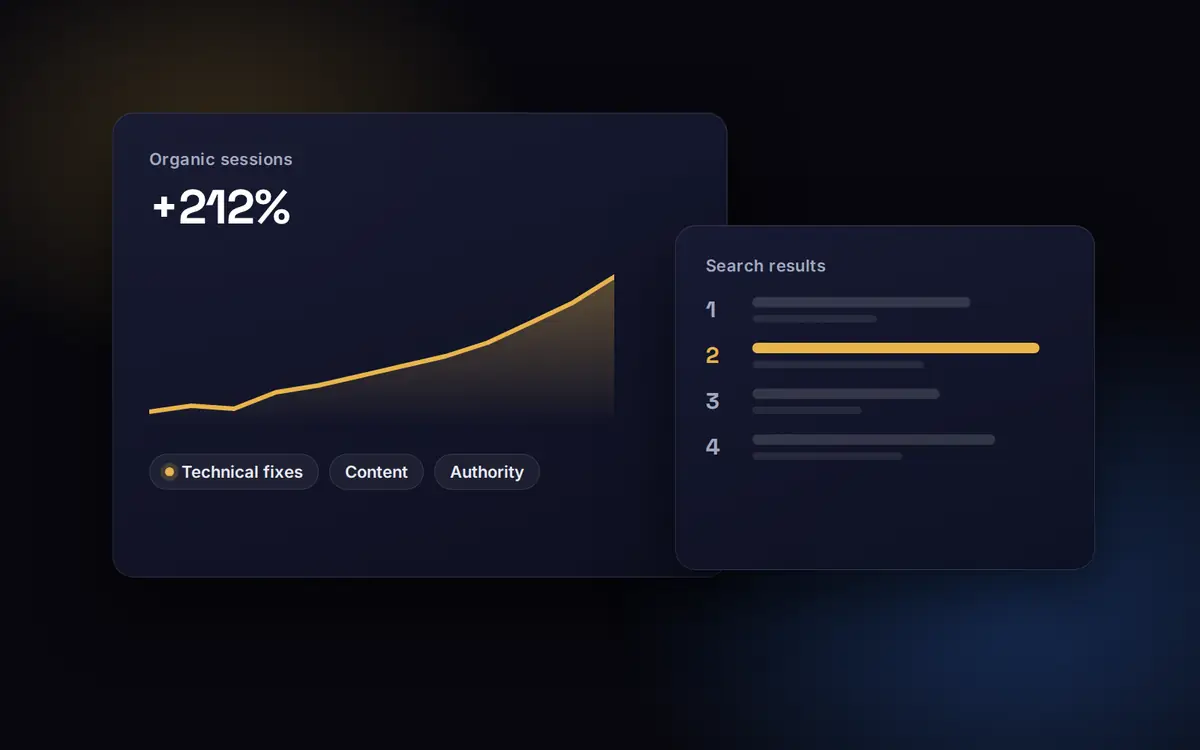
Searches like "[tool A] vs [tool B]" or "[competitor] alternatives" come from people who have already decided they need a product in your category and are choosing which one. Volumes are small; value is very high. For many SaaS companies, a handful of good comparison pages drive more pipeline than hundreds of blog posts.
Why they matter more now
Buyers do this research alone. Gartner's 2026 survey found 67% of B2B buyers prefer a rep-free buying experience and 45% used AI during a recent purchase (Gartner, March 2026). AI assistants often answer comparison questions directly, drawing on pages that state differences clearly. Research presented at KDD 2024 found that adding statistics, quotations and citations could lift visibility in AI answers by up to 40% (Aggarwal et al., GEO, KDD 2024).
What a good comparison page includes
- A short, honest summary: who each product suits best
- A comparison table with specific, current facts: pricing, key features, integrations, support
- Where the competitor is stronger, said plainly
- Migration information for people switching
- Customer quotes from people who moved, with permission
- A date showing when the comparison was last checked
Accuracy is a legal issue, not just a trust issue. Comparative advertising rules in the UK, EU, US and India require claims to be accurate and verifiable. Keep an evidence file for every claim.
Which comparisons to build first
Start with the competitors your sales team hears about most often in deals. Then add "alternatives" pages for the leading products in your category, and integration pages for the tools your customers use alongside yours. Zapier's integration pages show how far this can go, driving an estimated 16% of its organic traffic (Ahrefs, Zapier SEO case study). See SaaS SEO.