
Unacademy: 212% More Organic Traffic
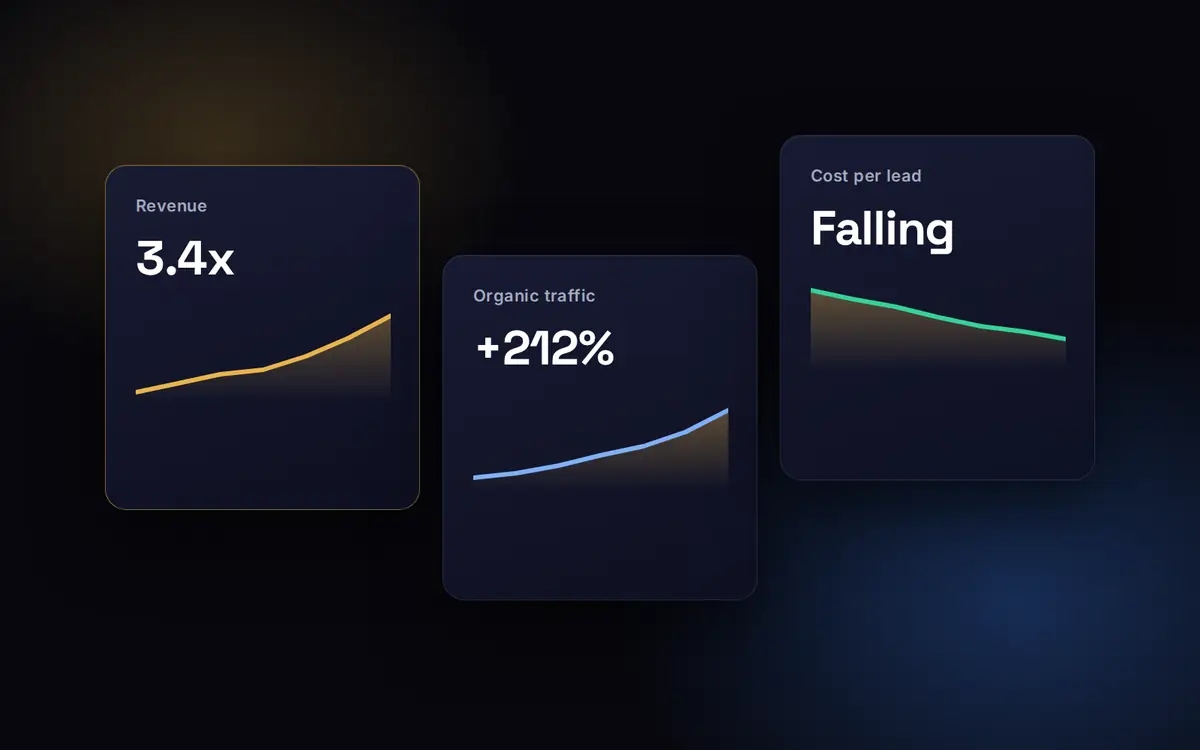
Unacademy, an EdTech exam-prep platform, grew organic traffic 212% over 12 months in 2025 while lowering cost per enrolment. SerpHike expanded the keyword map beyond brand terms into exam-specific and topic-specific searches, then built content and technical SEO to match.
What was the starting point?
- Organic visibility concentrated on brand-name searches only
- Rising paid acquisition costs with no organic channel to offset them
- Content thin on exam-specific and topic-specific pages competitors were ranking for
What did SerpHike change?
| Area | Change |
|---|---|
| Keyword strategy | Expanded from brand terms to exam- and topic-specific searches |
| Content | New topic hub pages targeting the expanded keyword map |
| Technical SEO | Internal linking and crawl budget fixes to support the larger page count |
What was the result?
Organic traffic grew 212% over the 12-month engagement in 2025, with cost per enrolment dropping as organic leads replaced a share of paid acquisition. Figures reflect a real engagement, an exportable report is available on request.
Why brand-only visibility is a trap
Many established platforms rank well for their own name and very little else. That feels fine until paid acquisition costs rise, because there is no organic channel to fall back on. Unacademy's starting point was exactly that. The fix was to build pages for the exam and topic searches students make long before they choose a platform.
What other platforms can take from this
- Map the searches students make before they know your brand: syllabus, pattern, cut-offs, topic explanations
- Build hubs, not scattered posts: topic hub pages that link to detailed pages concentrate relevance
- Fix crawl budget as page counts grow: internal linking and crawl fixes stop new pages being ignored
- Connect content to courses: traffic only lowers cost per enrolment if pages lead somewhere
Why this matters more now
AI summaries now answer many study questions directly. Pew found people clicked a regular result in only 8% of Google visits that showed an AI summary, and clicked a link inside the summary in just 1% (Pew Research Center, July 2025). Topic pages that give clear, sourced answers are more likely to be cited. Research presented at KDD 2024 found that adding statistics, quotations and citations could lift visibility in AI answers by up to 40% (Aggarwal et al., GEO, KDD 2024).
The same keyword expansion and hub model runs through our EdTech SEO work and our content marketing approach.